
The Influence of Emotion on Game Selection
Emotions play a significant role in the choices players make when selecting casino games. For instance, feelings of excitement and anticipation often drive individuals toward high-stakes games like poker or blackjack, where risk and reward are paramount. This emotional connection can significantly enhance the overall gaming experience, as players are not only drawn by the prospect of winning but also by the thrill of the game itself, especially when exploring options like neosurf casino which offer unique features. As players engage with these emotionally charged environments, they often find themselves entranced by the atmosphere, which can lead to longer play sessions and increased bets.
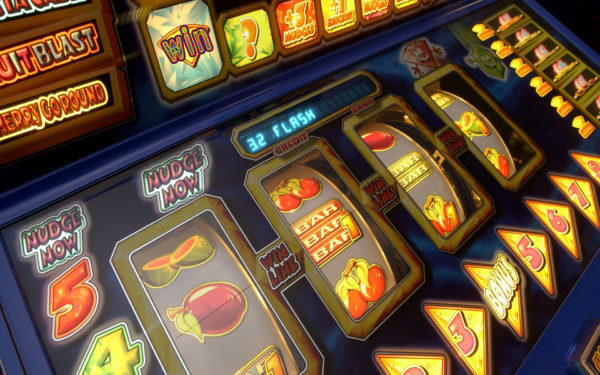
Conversely, individuals who may be feeling anxious or stressed might gravitate toward games perceived as less intense or competitive, such as slot machines or bingo. The simple mechanics and fast-paced nature of these games can provide a welcome distraction from daily worries. Understanding these emotional drivers is crucial for casinos, as they can enhance player satisfaction by tailoring environments that cater to specific emotional states, leading to increased loyalty and patronage.
Furthermore, emotions can influence decision-making even beyond the casino floor. Players often associate certain games with personal experiences or social interactions, which can further dictate their choices. For instance, someone who has fond memories playing a particular game with friends may be more likely to choose it again, demonstrating how nostalgia can heavily influence game selection. This emotional resonance can create a powerful connection between the player and the game, emphasizing the need for casinos to foster positive experiences.
The Role of Cognitive Bias in Game Choice
Cognitive biases significantly impact how players approach their choices in a casino environment. One common bias is the “gambler’s fallacy,” where individuals believe that previous outcomes will influence future results. For example, a player might think that because a roulette wheel has landed on red several times in a row, black is “due” to come up next. This can lead to misguided betting strategies and ultimately affect a player’s choice of games. Understanding these biases can help casinos create more engaging experiences by educating players about odds and probabilities.
Another important cognitive bias is the “availability heuristic,” where individuals base their decisions on immediate examples that come to mind. High-profile wins or stories about successful players can skew perceptions, causing new attendees to flock to those games in hopes of replicating that success. Casinos often capitalize on this by showcasing big winners prominently, thus creating a perception of favorable odds associated with certain games. This allows them to manipulate player choices through strategic marketing and social proof, further emphasizing the psychological influence at play.

Additionally, decision fatigue is a phenomenon that can affect game choice in casinos. As players navigate various gaming options, an overwhelming number of choices may lead to hasty or uninformed decisions. This can result in players gravitating towards familiar games or those that require less cognitive load, such as slots, rather than exploring new or complicated games. Understanding how cognitive biases and decision fatigue shape player behavior can provide casinos with valuable insights into game design and marketing strategies to enhance the gaming experience.
The Social Dynamics of Casino Games
Social interaction is a fundamental aspect of the casino experience that can significantly influence game selection. Many players are drawn to games that facilitate socialization, such as poker and blackjack, where competition and camaraderie coexist. The communal atmosphere fosters connections between players, creating a unique environment where stories, experiences, and strategies are shared, enhancing the enjoyment of the game. This social dynamic can motivate players to return to certain games, seeking that connection with others.
Moreover, the role of peer influence cannot be understated. Players often have a tendency to select games favored by their friends or social circles. This behavior can be observed in groups where individuals collectively decide on which games to play, making choices based on shared preferences. The desire to conform can lead to a stronger attachment to specific games, reinforcing loyalty toward them and thus impacting long-term gaming habits.
In contrast, some players may feel intimidated by competitive games and choose instead to engage in solitary gaming experiences. This tendency can also be rooted in personality traits, where introverted individuals might prefer solitary games like slots, where they can enjoy themselves without the pressure of competition. Casinos that understand these social dynamics can create environments that cater to diverse player preferences, allowing for a wide array of gaming experiences to thrive.
The Impact of Personal Identity on Game Selection
Individuals often associate their personal identity with the games they choose to play in casinos. Factors such as cultural background, age, and socioeconomic status can influence preferences, leading to distinct gaming habits. For example, younger players might gravitate toward innovative electronic games, while older generations may prefer classic table games. This divergence highlights how players’ backgrounds inform their gaming choices, demonstrating the need for casinos to cater to a diverse clientele.
Moreover, personal beliefs and values can shape game selection. Players seeking excitement may choose high-stakes games, while those prioritizing casual fun may favor games with less intensity. Understanding these facets of personal identity is essential for casinos as they develop targeted marketing strategies that resonate with various demographics. By aligning game offerings with the values and identities of their clientele, casinos can enhance engagement and drive participation.
Additionally, as the gaming landscape evolves, newer games that reflect contemporary themes and interests are emerging. Players may be drawn to games that resonate with their lifestyle choices or personal interests, such as those based on popular culture or current events. This demonstrates how personal identity can evolve and adapt over time, prompting casinos to innovate their offerings to stay relevant in a competitive market.
Connecting with Players through the Online Experience
In today’s digital age, online casinos have transformed the way players engage with casino games, providing unique insights into player psychology. The convenience and accessibility of online platforms have attracted a diverse audience, leading to new trends in game selection. Players can explore an array of games from the comfort of their homes, allowing them to experiment with different options without the pressure of a physical casino environment. This freedom can lead to more exploratory behavior as players seek what resonates with them.
The personalization of online gaming experiences also plays a critical role in shaping player preferences. Many online casinos utilize algorithms to recommend games based on previous play history, catering to individual tastes and enhancing engagement. This targeted approach allows players to discover new games that align with their interests, making the gaming experience more fulfilling. As online casinos continue to evolve, understanding player preferences and behaviors will be vital for long-term success.
Furthermore, the online gaming community fosters unique social interactions that can influence game choices. Features such as live chats, community forums, and social media integrations create a sense of connection among players, enabling them to share experiences and recommendations. These interactions can shape player perceptions and highlight popular games, altering individual choices based on social dynamics. As the online casino landscape continues to grow, maintaining these connections will be key to enhancing player loyalty and satisfaction.