
The Importance of Layout in Casino Design
The layout of a casino is meticulously crafted to maximize player engagement and prolong visits. When entering a casino, guests are typically greeted by a variety of games situated strategically to draw attention. High-traffic areas often feature popular slot machines and table games that encourage foot traffic and create a vibrant atmosphere. This careful placement of games not only affects gameplay but also influences a patron’s overall experience, making it essential for casinos to consider how layout impacts player behavior, especially when exploring an online casino new zealand where convenience plays a crucial role in attracting players.
Moreover, the open-plan design commonly found in many casinos discourages a sense of confinement, allowing players to roam freely between different gaming areas. This layout fosters an environment of exploration and discovery, enticing players to venture further into the casino. Additionally, the absence of clocks and windows creates a timeless experience, preventing players from being aware of the time spent gambling. This psychological tactic can lead to longer gaming sessions, contributing to the casino’s profitability.
Furthermore, creating paths that lead guests through various gaming areas encourages interaction with different machines and games. Casinos often utilize winding pathways and large central spaces to stimulate curiosity. This not only enhances the potential for players to try new games but also cultivates a sense of excitement and anticipation as they explore the venue, thereby enhancing their overall enjoyment and likelihood of return visits.
Color and Lighting: Setting the Mood
Color psychology plays a crucial role in casino design, as various colors evoke different emotions and can significantly influence behavior. For instance, red is frequently used because it is energizing and can increase a person’s appetite for risk, making it an ideal choice for gaming areas. Similarly, the use of gold and silver highlights can suggest wealth and luxury, creating an aspirational atmosphere that encourages players to spend more on their gaming experience.
Lighting is another pivotal element that shapes the mood within a casino. Soft, ambient lighting creates an inviting atmosphere while strategically placed bright lights draw attention to specific gaming machines or promotional areas. By illuminating high-stakes tables or new slot machines, casinos direct focus and emphasize the potential for both winning and excitement. The interplay between color and lighting amplifies the casino’s allure, enhancing the sensory experience of patrons.
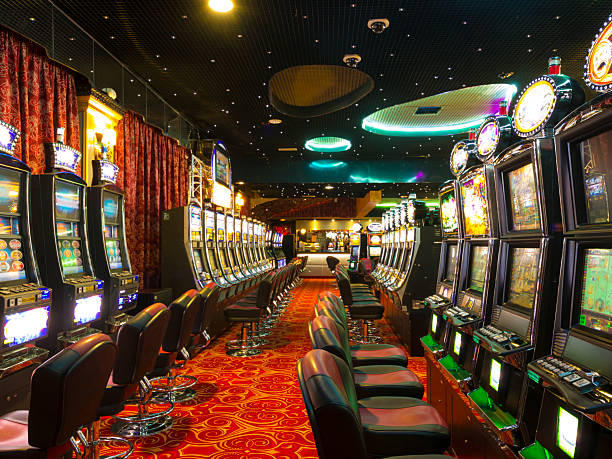
Moreover, casinos often change their lighting throughout the day and night to match the energy levels of their guests. During peak hours, vibrant, high-intensity lighting is favored to create an exhilarating ambiance, while softer, more subdued lighting is utilized during quieter periods. This adaptability in lighting not only engages players but also enhances their overall enjoyment and satisfaction with the space, further instilling a desire to return.
The Role of Sound in the Casino Experience
Sound is a powerful element in enhancing the casino experience and manipulating player psychology. The ambient sounds of slot machines, cards shuffling, and the chatter of fellow players create a vibrant atmosphere that draws individuals in. These sounds invoke feelings of excitement and joy, contributing to the overall emotional state of players while they engage with the games. Additionally, a well-curated soundtrack can keep guests energized and focused, prolonging their stay within the establishment.
Casinos often incorporate music and sound effects strategically to create a rhythm that matches the energy level of the gaming floor. Upbeat, high-tempo music can elevate the mood, encouraging players to take risks and remain engaged longer. The sounds of winning—such as jingles and celebratory explosions—also serve to reinforce positive emotions, stimulating others to participate in the games. This positive reinforcement can lead to increased gaming time and overall customer satisfaction.
Interestingly, the combination of specific soundscapes can affect the player’s behavior in subtle ways. Studies have shown that softer, ambient sounds can lead to a more relaxed and contemplative approach to gambling, while louder, more aggressive sounds can heighten excitement and risk-taking behaviors. Understanding how these auditory elements influence a player’s mindset is vital for casino designers seeking to maximize engagement and satisfaction.
The Use of Themes and Aesthetics
Casino design often incorporates elaborate themes that enhance the visual experience and create a narrative for guests. Themes can range from classic, luxurious styles reminiscent of Las Vegas to more playful, adventurous motifs. Such designs are not just for decoration; they are carefully curated to resonate with the target demographic, creating an emotional connection that encourages people to immerse themselves in the experience fully. This strategic approach helps guests feel a sense of belonging within the space.

The aesthetics of a casino can evoke specific emotions, and different themes can cater to various clientele. For example, a casino designed with an underwater theme might utilize blues and greens, promoting feelings of calm and tranquility, while a neon-themed casino might resonate more with a younger, vibrant crowd. By aligning the design elements with the desired atmosphere, casinos can effectively attract and retain their target audience.
Additionally, integrating interactive elements and visual spectacles—such as fountains, art installations, and digital displays—enriches the overall experience and keeps guests engaged. These elements serve as focal points that encourage guests to explore and spend time within the venue, stimulating both curiosity and enjoyment. The right mix of aesthetics and thematic design can create memorable experiences that entice guests to return, solidifying their bond with the casino.
Understanding Player Behavior: Insights from Design
The design of a casino is not merely about aesthetics; it is intricately linked to understanding player behavior. Many casinos employ behavioral experts to analyze the ways patrons interact with the space, ensuring that every element—from layout to sound—works in harmony to encourage longer visits and greater spending. By studying patterns in player behavior, casinos can continuously evolve their designs to meet changing preferences and enhance the overall experience.
Insights gleaned from player behavior can inform decisions about game placement, promotional offers, and even staffing levels at different times of the day. For example, a casino may find that specific games attract younger crowds, leading to targeted marketing efforts intended to enhance that demographic’s experience. This level of understanding ensures that the casino remains relevant and appealing, contributing to sustained success in a competitive industry.
Additionally, technological advancements have allowed casinos to gather real-time data on player activity, enabling them to adjust their designs dynamically. This data-driven approach allows for informed decisions that enhance the visitor experience based on observed behaviors, leading to a more adaptable and responsive casino environment. Understanding the psychology of gamblers through design is fundamental in creating a space that not only attracts players but also keeps them coming back.